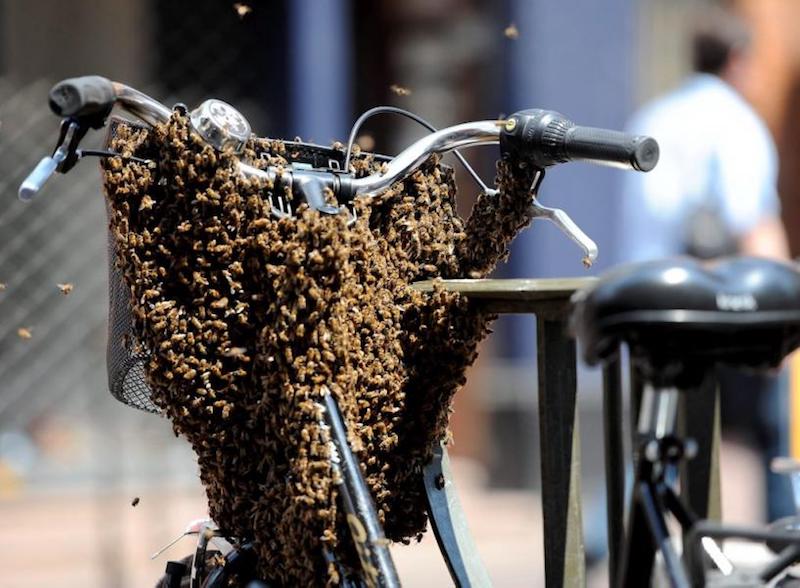
by Nicolas Geant | Jan 4, 2019 | News
It’s like the egg and the hen, which came first ? How does it work in the wild ? In the wild, a bee colony, which means several thousand workers, some drones and a queen are living in a cavity. It can be a hole in a tree trunk, a proper beehive, a chimneystack, a...
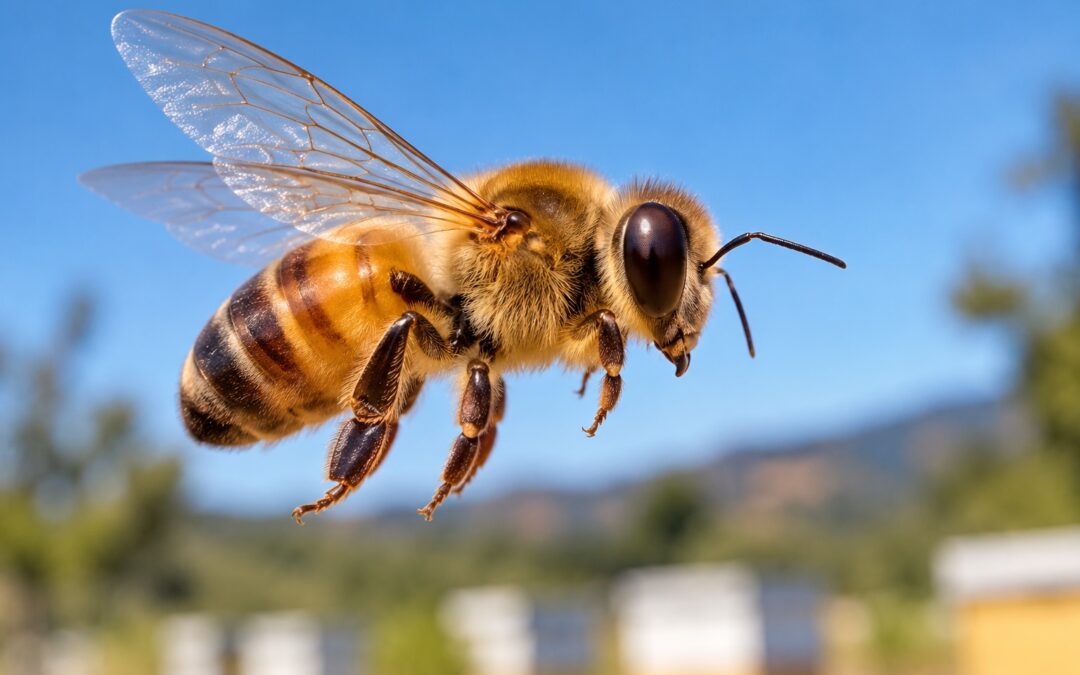
by Nicolas Geant | Dec 16, 2018 | News
What is a drone bee? A drone bee is a male honey bee. Unlike worker bees, which are female, drones do not collect nectar or pollen, produce wax, or perform most of the daily tasks inside the hive. Their primary biological role is reproduction: drones mate with virgin...
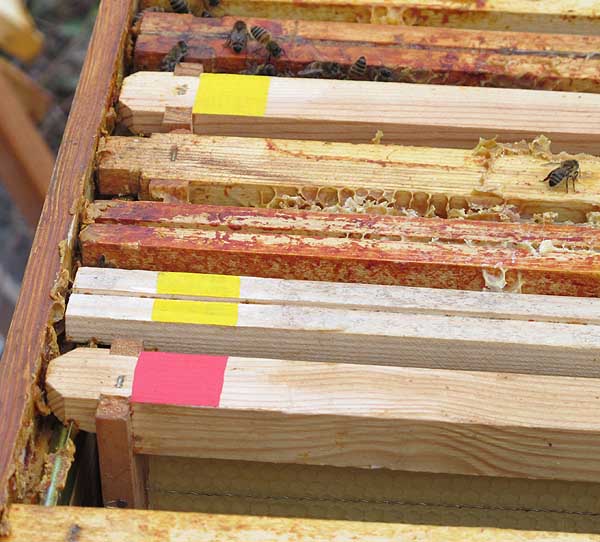
by Nicolas Geant | Dec 13, 2018 | News
Bees need clean water, nectar but above all a rich and diverse pollen. In addition to a good diet, beekeepers can keep their hives healthy by having a young queen and regularly changing its frames. As for all living beings, healthy food equals healthy bees. The queen...
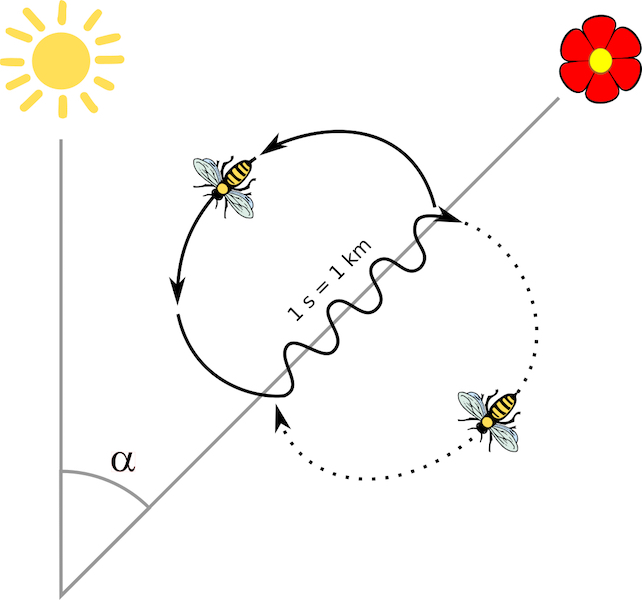
by Nicolas Geant | Dec 10, 2018 | News
Honey bees have a remarkable sense of direction. A foraging bee can leave its hive, travel considerable distances to find flowers, and then return to the same colony with impressive accuracy. Bees do not rely on a single navigation system. Instead, they combine...
by Nicolas Geant | Nov 11, 2018 | News
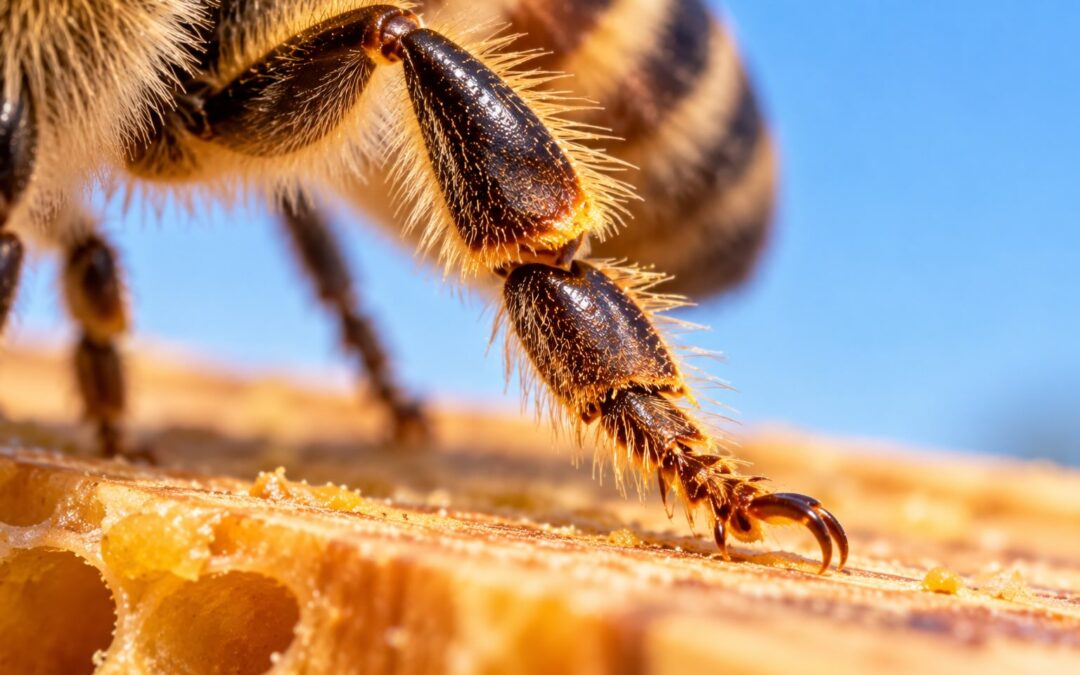
Thanks to taste receptors, bees can identify different types of sugar and their contents in digested substances. Their developped sense of taste helps them carefully select the plants and flower they forage from. Here are the answers to a few questions on the topic....
by Nicolas Geant | Oct 28, 2018 | News
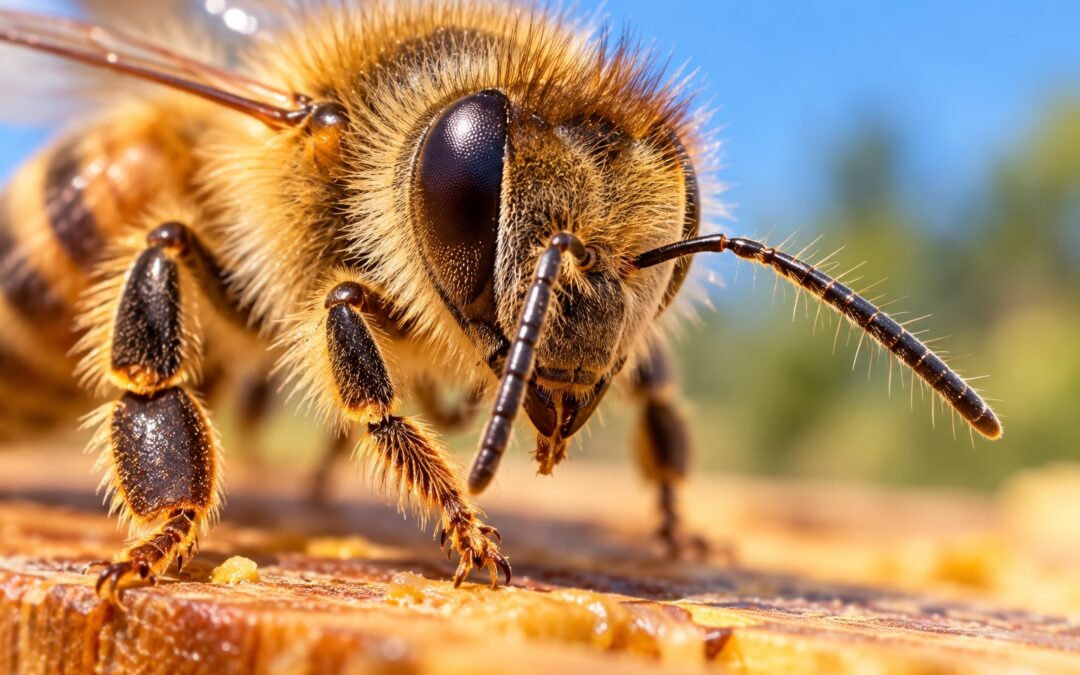
A sense of touch Bees’ sense of touch can reasonnably be compared to man’s: their antenna is similar to our hands, but the difference is that the rest of their body is sensible to touch and thus used by bees to be more aware of their surroudings. Beens’ sense of touch...